Arrival
Eye contact before paperwork
Whoever opens the door — receptionist, nurse, security — is trained to look up, smile and greet before asking for an ID. The first 5 seconds set the tone for everything that follows.
A hypothetical mid-size hospital. We were asked one question: what if a hospital felt less like a hospital, and more like being held? What follows is the strategy we would deploy — every touchpoint, from the moment a patient dials reception to the postcard that arrives a month after they go home.
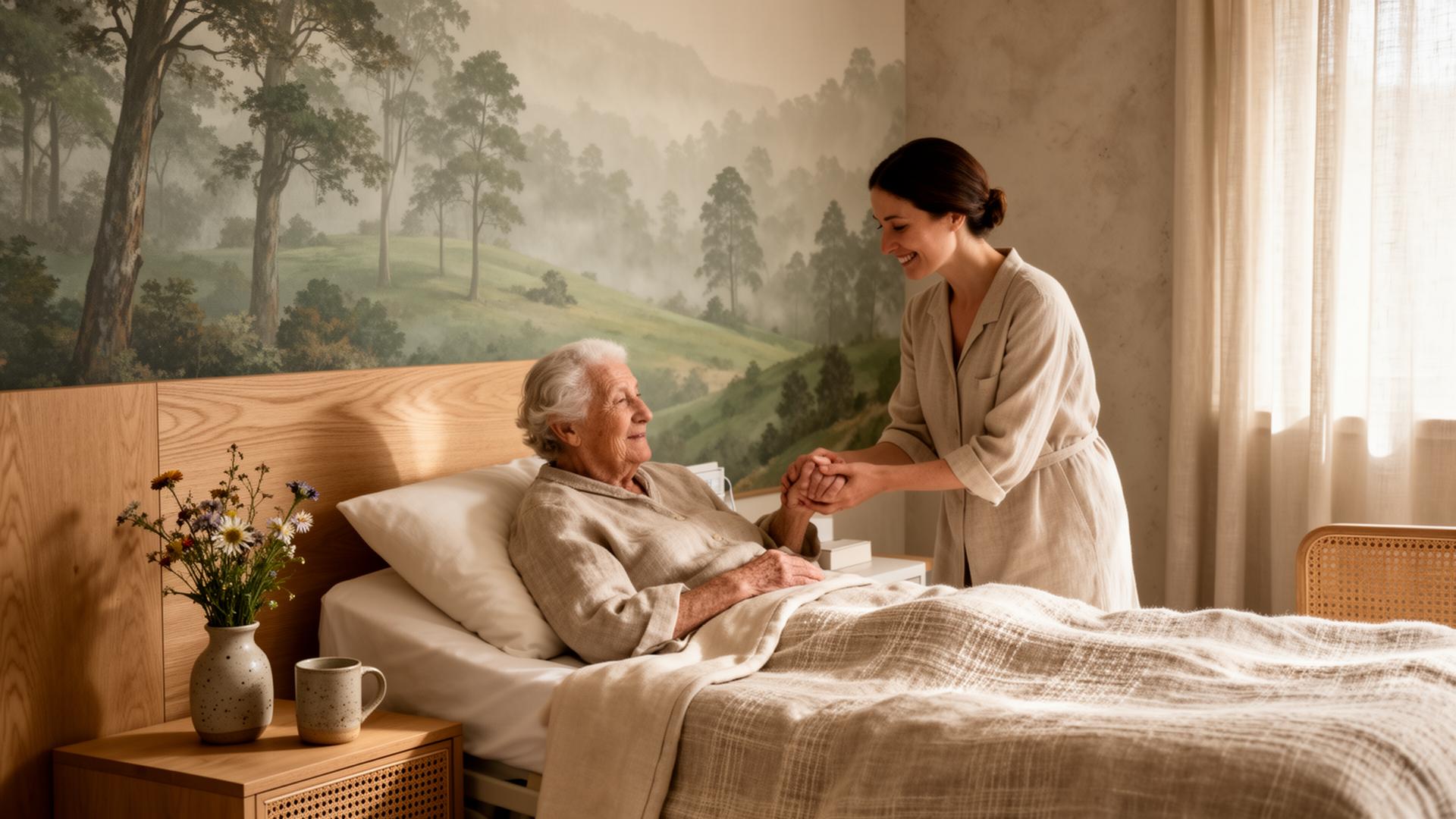
We are used to hospitals focused on improving medical treatment while neglecting the patient experience — treating people more like problems to be solved than humans to be served. Most hospitals are optimised for throughput, not for the nervous systems passing through them. The fluorescent lights, the corridor signage, the way news is delivered, the wait that feels like punishment — none of it is necessary. But — as in every project we do — this begins in the same place: making the hospital the best possible place to work for its own people. A team that feels seen will see. We rewrite the entire patient experience from the lens of the most vulnerable person in the building, inspired by hospitals like Sharp HealthCare, Cleveland Clinic and Hospital Sant Joan de Déu (Barcelona).
We arrive scared, half-undressed, holding a number on a paper ticket. The specialist looks at the screen, not at us. We become a chart, a slot, a billing code. A bad experience in a hospital — where we are already vulnerable — isn't just unpleasant. It's traumatic. It stays in the body for years.
We rewrite confirmations, results, reminders. No more 'Dear patient.' A name. A human voice. A line that reminds them they are expected.
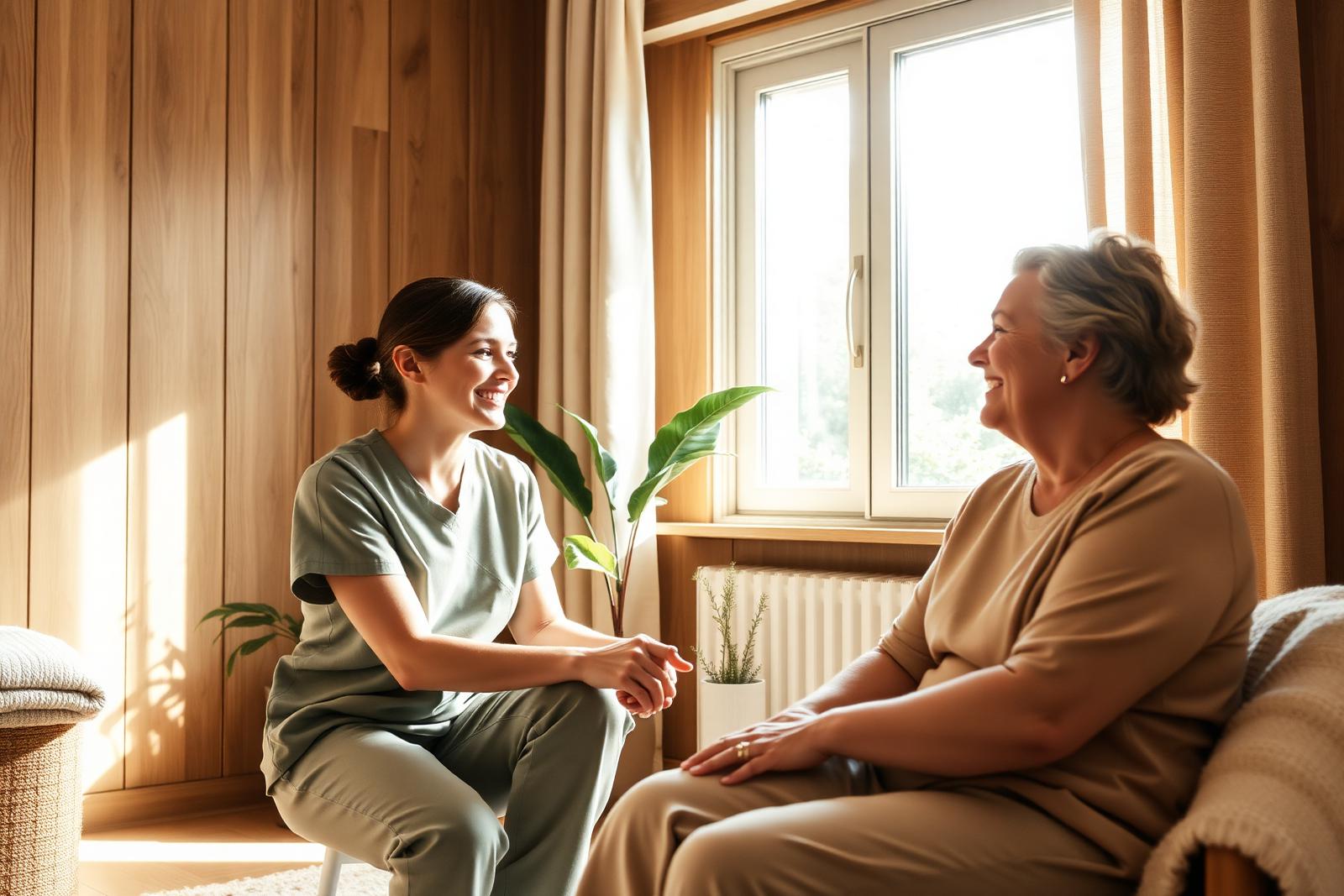
We train manner, not just protocol — the pace of a knock, the way to enter a room, the words used before a needle, the hand on a shoulder when it matters.
Soft linens in sage and sand replace clinical white. The uniform stops signalling 'institution' and starts signalling 'someone who is here for you'.
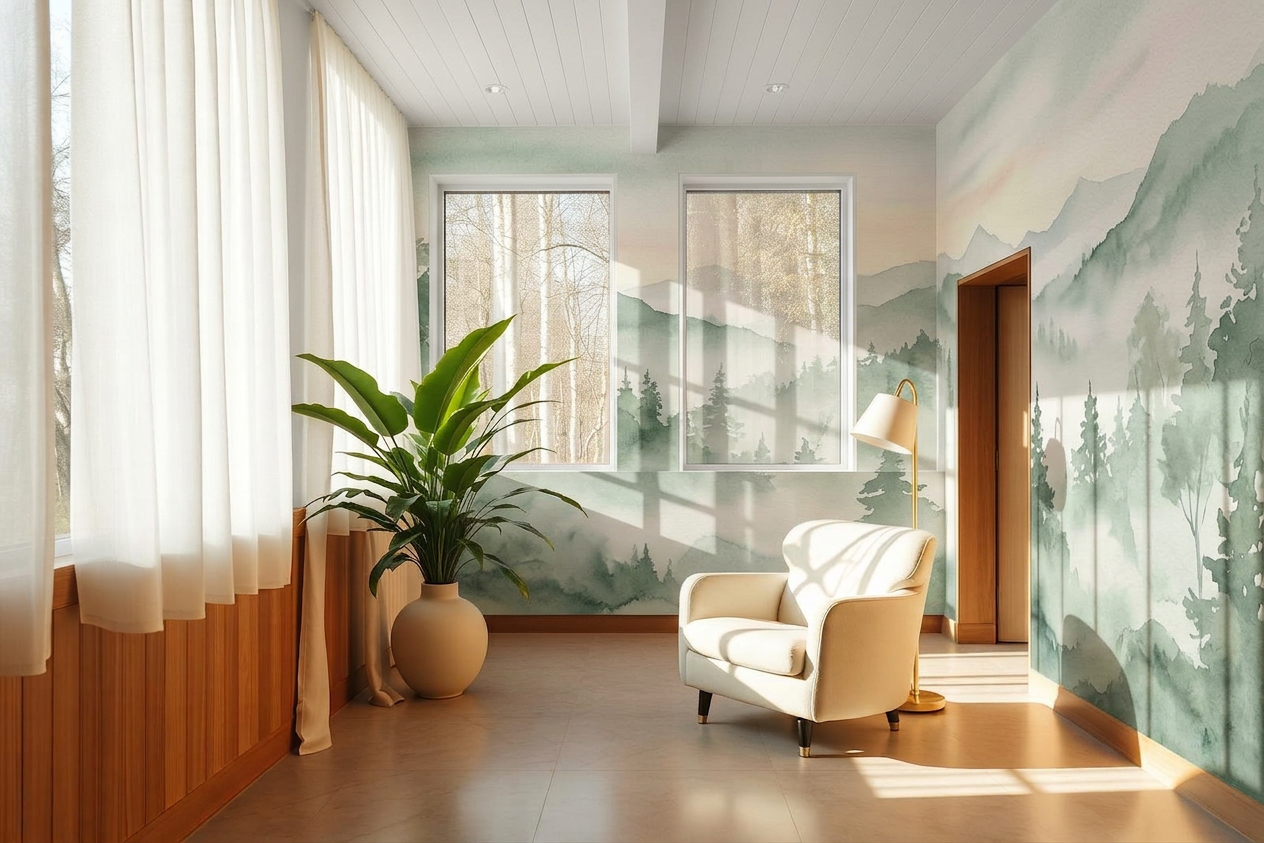
Warm lamps, not overhead fluorescents. The room feels like a living space, not a procedure box. The body relaxes before the conversation begins.
Even hard news can be delivered with a sentence that holds. 'I'm going to walk this with you.' The specialist sits down, looks the patient in the eyes, and the next appointment is booked before they leave the room.
"A diagnosis can be given in a way that breaks you, or in a way that holds you. Same words. Different lives."
A human voice within three rings. No phone tree. The tone is warm and kind — the next steps explained clearly, with reassuring phrases: 'we're expecting you, call us with any question, my name is X, ask for me or my colleagues will gladly help.' If the case is serious, the voice is hopeful: 'everything is going to be alright, you'll be in good hands here.' Before hanging up, the patient's nervous system has already softened.
An email written like a friend, with a photo of the doctor they'll meet, a map with the easiest entrance circled, and a clear, kind summary of what to bring and what to expect. We never ask the patient to do work for us.
No reception desk fortress. A host meets them at the door, looks them in the eyes, asks gently what brings them in and walks them to where they need to go. Soft lamps replace ceiling fluorescents.
Real plants. A pot of fresh coffee. Books, not magazines. Soft classical music in the background. The wait is named honestly: 'Doctor running 7 minutes late, here's why.'
Warm light, no harsh overhead. The doctor sits at the same height, looks the patient in the eyes — always — and is unfailingly kind, reassuring, and never says 'it's not possible.' Their phone is in a drawer. A blanket on the chair, just in case.
A trained protocol for delivering difficult news — slower pace, the chosen song quietly playing, water poured before the words. A second appointment booked before they leave the room.
A small hand-tied bouquet from the team. A handwritten card signed by the nurse who cared for them. A walk to the door — never alone.
A postcard. Not a survey. 'We've been thinking of you. We hope the road is gentler now.' Signed by name.
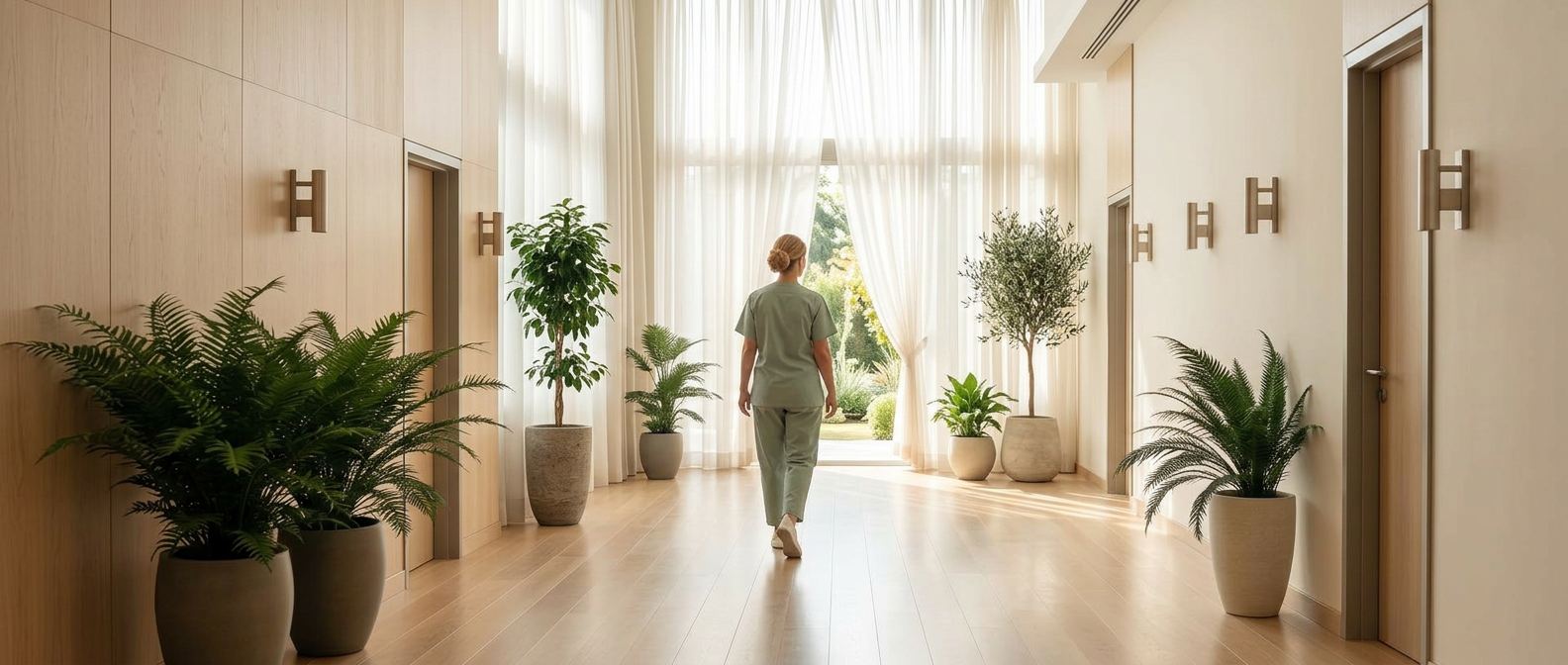
Warm 2700K lamps replace 4000K ceiling tubes. Real plants. Art with humans in it, not abstract corporate prints.
Soft classical music in the corridors and waiting areas — almost imperceptible, enough to settle the body. No TV blaring, no intercom noise.
We strip the chemical disinfectant smell from public areas — replaced with neutral, then a faint cedar in the recovery wing.
A folded blanket on every consultation chair. Linen, not paper, where possible. Warm towels at the end of a procedure.
We design the rhythm of arrivals and goodbyes. No one is rushed out. The last thing a patient feels is unhurried care.
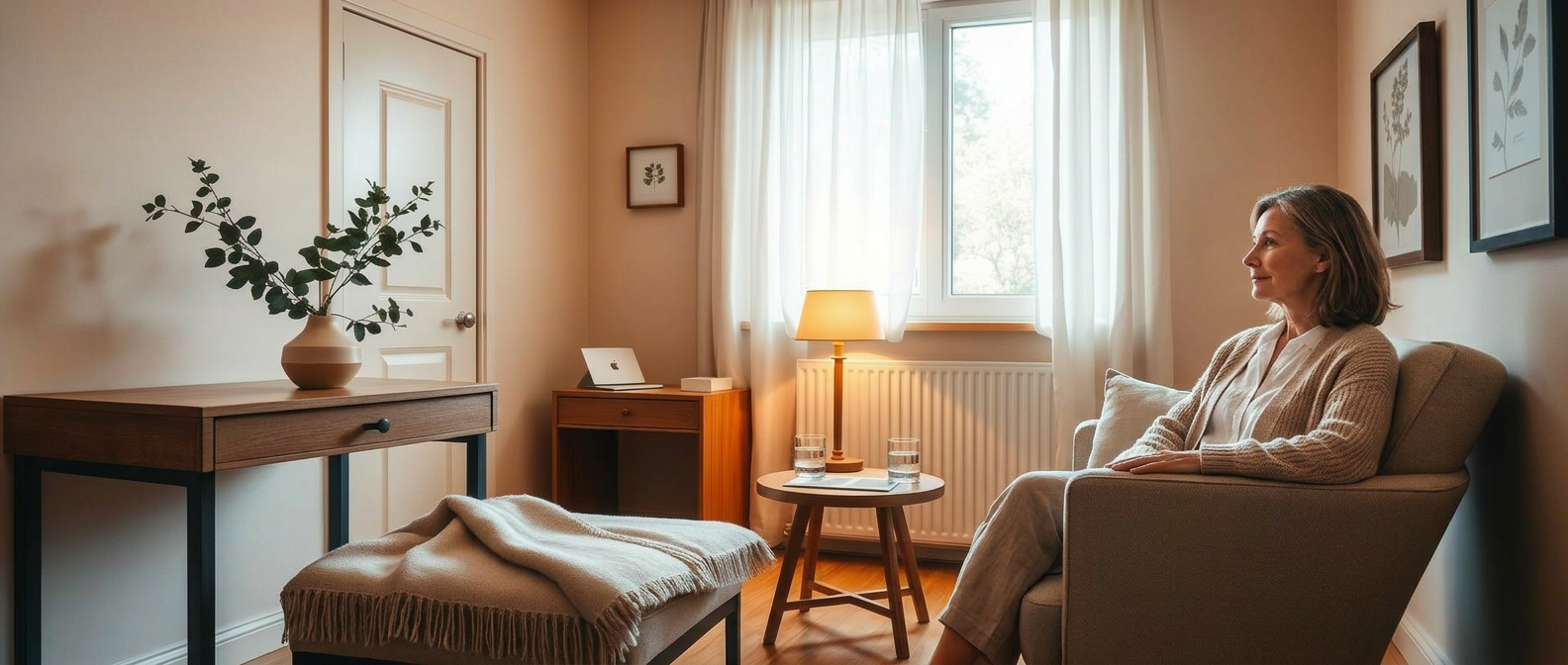
Whoever opens the door — receptionist, nurse, security — is trained to look up, smile and greet before asking for an ID. The first 5 seconds set the tone for everything that follows.
Real plants. Warm lamps instead of fluorescents. Filtered water and herbal tea. A staff member walks the room every 15 minutes with an honest update — 'we are running about 20 minutes behind, thank you for your patience.'
Nobody leaves alone holding a folder. A team member walks every patient to the door, hands them a small written summary in plain language, and says their name once — even if it was learned five minutes ago.
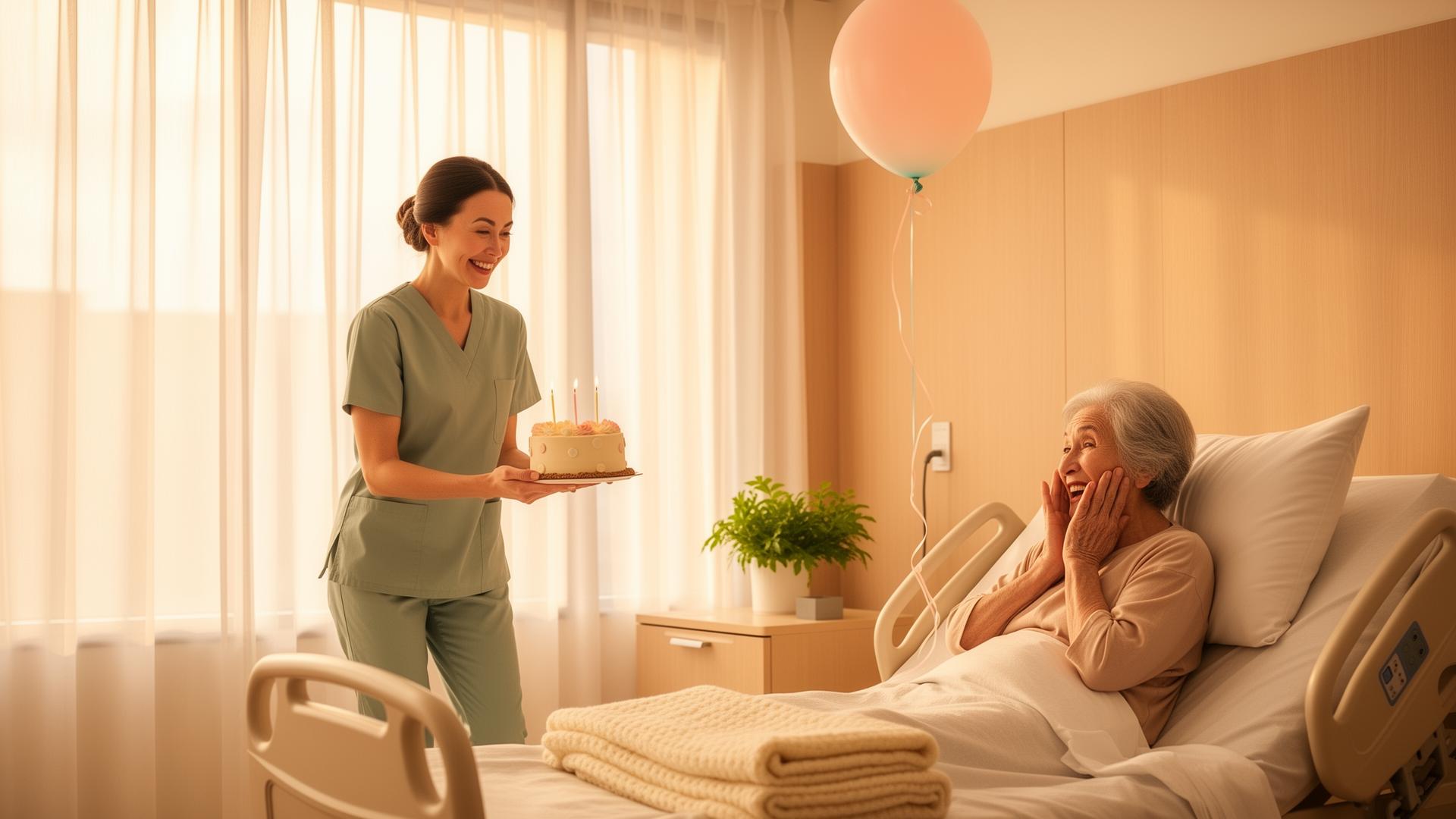
The bouquet at discharge, the song in the room, the warm towel after a scan. Small surprises that lift fear into being held.
We ask one question at booking — and the answer reshapes the visit. People feel seen before the doctor walks in.
The team signs the discharge card by name. The nurse who cared for the patient is the one who calls, two days later.
A postcard a month later. A real voice on the phone. The relationship doesn't end at discharge — it begins there.
Hospital Aurora is a hypothetical project. In every real engagement we run prior research with patients and staff to understand their actual needs, fears and friction points before designing a single gesture. The journey, sensory protocols and rituals shown above are illustrative examples — shown without the context of a specific hospital — to make our way of thinking visible. The real version is always co-designed with the team that will live it.
We understand that many of these things may seem impossible to carry out in a large hospital — but why not? If we put our gaze on people, there is so much we can do. Who hasn't had an experience where they were mistreated, or simply made invisible in a hospital, never even looked at? And all of us, at some point, have lived the complete opposite — thanks to that one person who made the difference.